 Save
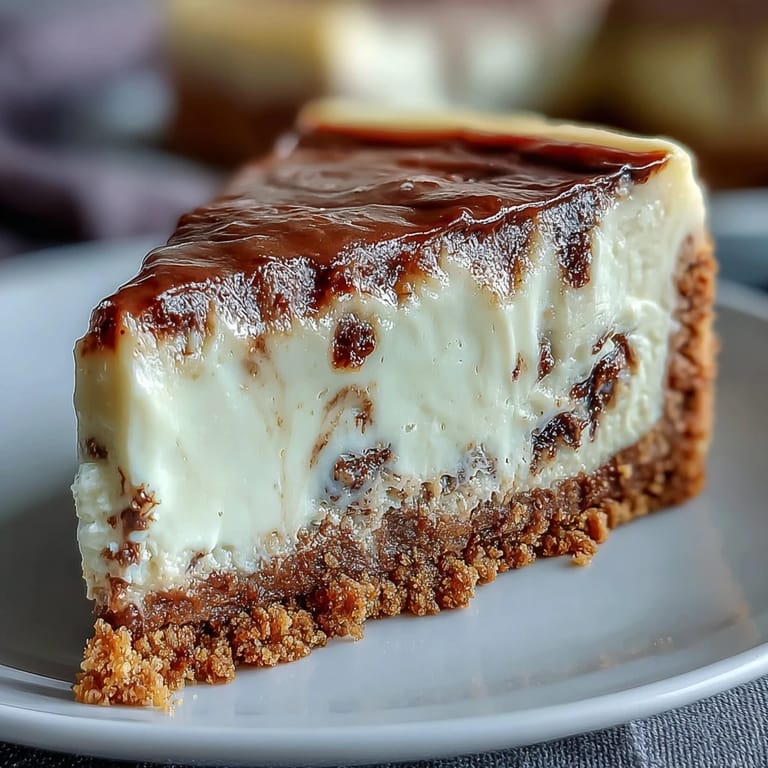
Save I discovered hojicha cheesecake by accident during a rainy afternoon at a small Tokyo café, where the roasted tea flavor seemed to whisper beneath the cream and sweetness. That first bite sparked something—a realization that this wasn't just another cheesecake, but a conversation between two cuisines. Back in my own kitchen months later, I wanted to recreate that moment, and after a few attempts, found myself staring at a perfectly swirled masterpiece cooling on the counter. The aroma of toasted hojicha mixed with buttery crust filled the room, and I knew I'd captured it.
My sister came over last winter during what felt like the coldest week of the year, and I pulled this cheesecake from the fridge like a small treasure. Watching her fork through that creamy filling and pause mid-chew to ask about the flavor—that quiet moment of discovery—made the seven hours of waiting completely worth it. She asked for the recipe before finishing her slice, and I realized this wasn't just dessert anymore; it was something I wanted to pass along.
Ingredients
- Graham cracker crumbs (200 g): The foundation deserves attention—use fresh, good-quality crackers because they're what anchors the whole dessert.
- Unsalted butter, melted (90 g): This binds the crust together, so don't skip the melting step or use cold butter.
- Granulated sugar (2 tbsp for crust): A small amount adds subtle sweetness to the base without overwhelming it.
- Salt (pinch): This tiny addition brightens everything and prevents the crust from tasting flat.
- Hojicha loose leaf tea or tea bags (2 tbsp): This is the soul of the recipe—seek out quality hojicha from a specialty tea shop if you can.
- Heavy cream (120 ml): Use full-fat cream; it carries the hojicha flavor beautifully and creates that luxurious infusion.
- Cream cheese, softened (450 g): Room temperature is non-negotiable here; cold cream cheese will create lumps that no amount of beating fixes.
- Granulated sugar (150 g for filling): This sweetens the filling while helping achieve that silky texture.
- Large eggs (2): Room temperature eggs blend smoothly into the filling without creating streaks.
- Sour cream (120 ml): This adds tang that balances the richness and keeps the cheesecake from feeling too heavy.
- Vanilla extract (1 tsp): A quiet supporting player that enhances without announcing itself.
- All-purpose flour (1 tbsp): Just enough to provide structure without affecting the delicate texture.
Tired of Takeout? 🥡
Get 10 meals you can make faster than delivery arrives. Seriously.
One email. No spam. Unsubscribe anytime.
Instructions
- Heat your oven and prepare the pan:
- Set the oven to 160°C (325°F), which is gentler than you might expect—this slower heat prevents cracks and ensures even baking. Line the springform pan bottom with parchment paper so your finished cheesecake releases cleanly.
- Build the crust:
- Toss graham cracker crumbs with melted butter, sugar, and salt until it feels like wet sand. Press it firmly into the pan, use the bottom of a measuring cup to compact it evenly, and bake for 10 minutes until it starts to smell toasty.
- Steep the hojicha cream:
- Heat the heavy cream until wisps of steam rise from the surface, then remove from heat and add the hojicha tea. Cover and let it sit undisturbed for 10 minutes so the tea can fully infuse the cream with its earthy, roasted character. Strain through a fine mesh, pressing gently on the leaves, and let it cool completely.
- Create the smooth filling base:
- Using an electric mixer, beat the softened cream cheese for about a minute until completely smooth with no lumps. Gradually add sugar while beating, then add eggs one at a time, beating gently after each addition so you don't overwork the batter.
- Fold in the finishing touches:
- Stir in the sour cream, vanilla, and flour with a spatula using gentle motions—overmixing here creates bubbles that cause cracks. The batter should look thick, creamy, and silky.
- Divide and swirl:
- Reserve about ⅓ cup of the plain batter in a separate bowl and whisk the cooled hojicha cream into it until smooth and pale brown. Pour the remaining plain batter over the cooled crust, then drop spoonfuls of the hojicha mixture across the top in a pattern.
- Create the marbled effect:
- Using a thin skewer or small knife, draw lines through the hojicha swirls in one direction, then in the opposite direction, creating gentle waves. Work slowly and don't overdo it—sometimes the best patterns happen when you show restraint.
- Bake with a water bath in mind:
- Place the springform pan on a larger baking tray and bake for 40–45 minutes. The edges should look set and firm, but the very center should still jiggle slightly when you gently shake the pan—this is the sign of a creamy, perfect cheesecake.
- Cool gradually in the oven:
- Turn off the oven and crack the door open just an inch. Leave the cheesecake inside for a full hour, which allows it to cool slowly and helps prevent the dreaded cracks that come from temperature shock.
- Chill thoroughly before serving:
- Remove from the oven, let it reach room temperature on the counter, then refrigerate for at least 5 hours or overnight. This resting time allows the flavors to meld and the texture to become perfectly creamy.
 Save
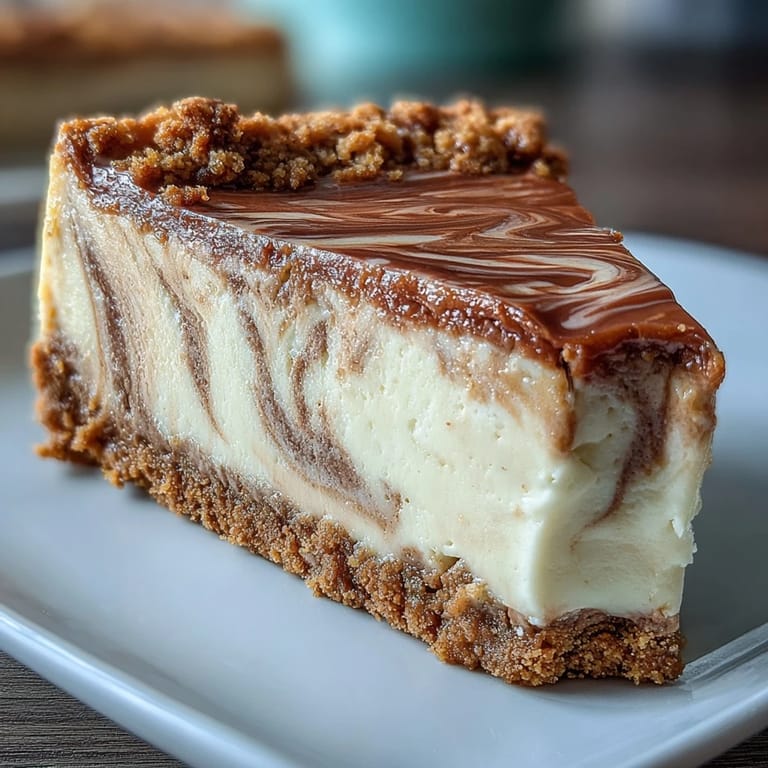
Save There's a particular magic that happens when you slice into a homemade cheesecake and the knife glides through without cracking, revealing that perfect marble of hojicha running through the creamy center. That moment—when all the patience, the precise temperatures, the careful swirling pays off—reminds me why baking matters beyond just filling a plate.
The Hojicha Difference
Hojicha is roasted green tea, which means it has a completely different flavor profile than the grassy, fresh quality of regular green tea. The roasting process creates this warm, toasty, almost nutty taste that pairs unexpectedly well with cream and sweetness. I learned this distinction the hard way by trying regular green tea first and wondering why it tasted slightly bitter and grassy—hojicha's lower caffeine content and mellow character are what make it perfect for a dessert like this.
Texture Secrets That Actually Work
The texture of a great cheesecake is about balance—creamy without being heavy, set without being dense. The sour cream and the brief, gentle mixing are what make this happen; they create a filling that's luxurious but still light. I've made cheesecake with too much beating and watched it become grainy, and I've made it with too little stirring and ended up with streaks of unmixed ingredients. The sweet spot is mixing until you see no visible streaks, then stopping immediately.
Serving and Storage Wisdom
This cheesecake keeps beautifully in the refrigerator for up to five days, and the flavors actually deepen slightly as it sits. Slice it with a hot, wet knife—wipe and reheat between each cut—and you'll get clean, beautiful slices every time. For an elegant finish, dust the top with a pinch of hojicha powder and add a small dollop of fresh whipped cream just before serving.
- Let slices come to room temperature for about 10 minutes before eating to experience the full richness of the hojicha flavor.
- If you want to make this ahead, you can bake it up to two days before serving, which actually makes the flavors more cohesive.
- Freeze leftover slices individually wrapped for up to three weeks—thaw in the refrigerator overnight and you'll barely notice a difference in texture.
 Save
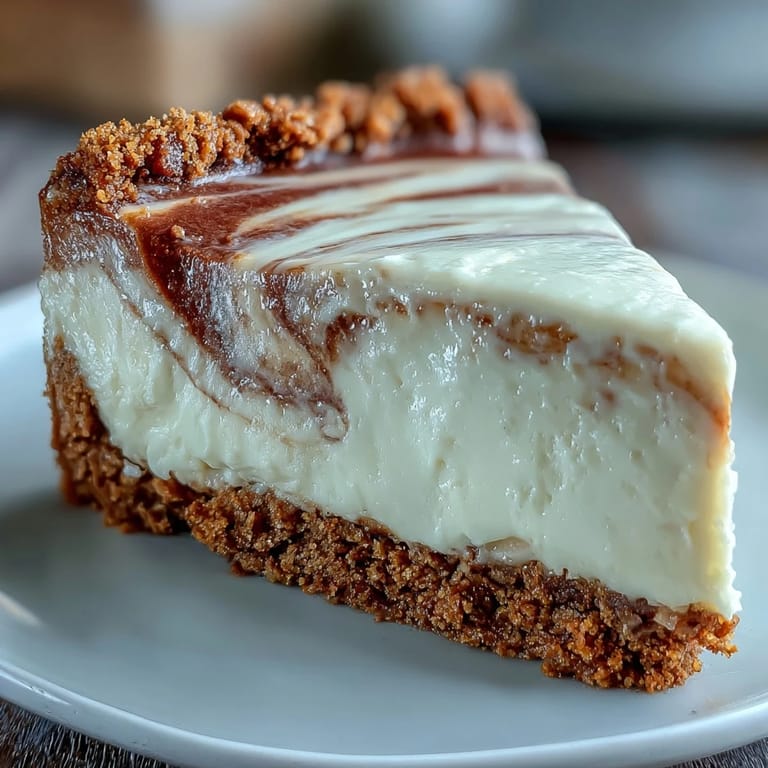
Save Baking this cheesecake is an exercise in patience that teaches you something about trusting the process and letting things rest. Every time I pull it from the fridge and watch someone discover that hojicha flavor, I'm reminded that the best desserts are the ones made with intention and a little bit of care.
Kitchen Guide
- → What makes hojicha unique in this dessert?
Hojicha is a roasted Japanese green tea with distinctive earthy, nutty, and slightly caramel-like notes. Unlike regular green tea, the roasting process reduces bitterness and creates a warming flavor profile that pairs beautifully with rich cream cheese and buttery crust elements.
- → Can I substitute the hojicha tea?
You can replace loose leaf hojicha with hojicha powder for more intense flavor, though you may need to adjust quantities. Other roasted teas like Chinese red tea or lapsang souchong work but will alter the flavor profile significantly. Matcha is too grassy and delicate for this preparation.
- → Why does the cheesecake need such long chilling?
The extended refrigeration period allows the filling to set completely and develop proper texture. Cutting too early results in a soft, messy slice. Overnight chilling ensures clean edges and enhances flavor integration between the plain batter and hojicha swirls.
- → What causes cracks in cheesecake and how does this method prevent them?
Rapid temperature changes cause cracks. This method prevents them by cooling gradually in the turned-off oven with the door cracked open for one hour, then reaching room temperature before refrigeration. This gentle cooling prevents structural stress on the delicate filling.
- → Can digestive biscuits replace graham crackers?
Yes, digestive biscuits make an excellent substitution for the crust. They provide similar texture and slightly sweeter flavor. Simply crush them to fine crumbs and proceed with the same butter and sugar quantities. The crust flavor profile will remain complementary to the hojicha filling.
- → How should I store leftover cheesecake?
Keep refrigerated in an airtight container or cover the springform pan with plastic wrap. Properly stored, it maintains quality for 4-5 days. The flavors continue to meld during storage. For longer storage, wrap individual slices tightly and freeze up to 2 months.