 Save
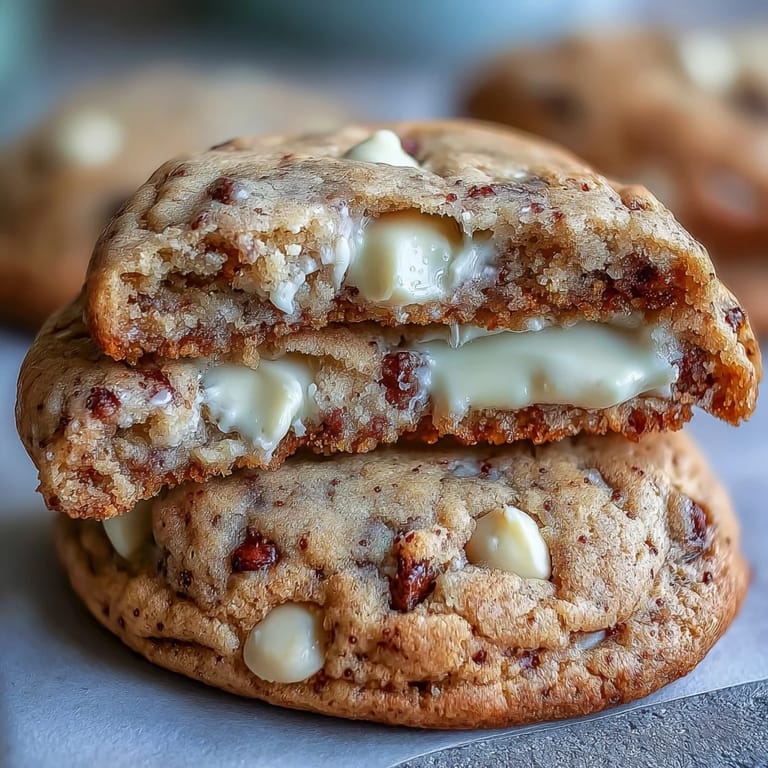
Save Last winter, my neighbor brought over a tin of hojicha cookies from a Japanese bakery, and I spent the entire afternoon trying to reverse-engineer them. The roasted tea flavor was subtle but unmistakable, almost whisperlike against the sweetness of white chocolate, and I became obsessed with capturing that same balance at home. After a few batches and some creative experiments, I finally cracked it, and now these cookies are my go-to when I want something that feels both comforting and unexpectedly sophisticated.
I made these for my book club last month, and someone actually asked if I'd bought them from a specialty shop, which was the highest compliment I could have asked for. Watching people taste that first cookie and pause for a second as they figured out what they were eating made the whole baking effort feel worth it.
Ingredients
- All-purpose flour (200 g or 1 2/3 cups): The foundation that keeps these cookies tender and not cakey, so don't skip the weight measurement if you have a scale.
- Hojicha powder (2 tbsp): This roasted green tea is the star of the show, giving the cookies their signature warm, slightly smoky flavor that makes people lean in for another bite.
- Baking soda (1/2 tsp): Just enough to help the cookies spread gently and become those perfect chewy-at-the-edges, soft-in-the-middle treats.
- Salt (1/4 tsp): A small amount that brings out both the hojicha and the white chocolate without announcing itself.
- Unsalted butter (115 g or 1/2 cup), softened: Softness matters here because you're creaming it with sugar, so pull it from the fridge about 30 minutes before you start.
- Granulated sugar (120 g or 2/3 cup): The bulk of your sweetness, balanced by the brown sugar for complexity.
- Light brown sugar (50 g or 1/4 cup), packed: This adds moisture and a subtle molasses note that deepens the whole cookie.
- Egg (1 large): Your binding agent and the thing that makes these cookies actually hold together, so use it at room temperature if possible.
- Vanilla extract (1 tsp): A quiet supporting player that rounds out all the flavors.
- White chocolate chips (120 g or 3/4 cup): Choose a quality brand because the white chocolate is doing real work here in balancing the earthiness of the hojicha.
Tired of Takeout? 🥡
Get 10 meals you can make faster than delivery arrives. Seriously.
One email. No spam. Unsubscribe anytime.
Instructions
- Set your oven and prep your stage:
- Preheat to 175°C (350°F) and line two baking sheets with parchment paper so nothing sticks and you can actually get these cookies off the pan without heartbreak.
- Whisk the dry team together:
- In a medium bowl, combine your flour, hojicha powder, baking soda, and salt with a whisk or fork, making sure the hojicha is evenly distributed so every cookie tastes the same. Set it aside and try not to peek at the lovely brownish tint it gives the flour.
- Cream butter and sugars until they're fluffy clouds:
- In a large bowl, beat the softened butter with both sugars for about 2 minutes using an electric mixer or vigorous whisking by hand until it's noticeably lighter and airier. This step actually matters because it's trapping tiny air bubbles that help your cookies become tender instead of dense.
- Add the egg and vanilla to the creamed mixture:
- Beat in the egg and vanilla until everything is fully combined and you don't see any streaks of egg white, about 1 minute. Don't rush past this step because you're emulsifying the mixture, which makes cookies actually work.
- Bring the wet and dry together gently:
- Gradually add your dry ingredients to the wet mixture, mixing just until you don't see any white flour streaks anymore, then stop yourself from overmixing. Overmixing develops gluten and makes cookies tough, which is the opposite of what you want.
- Fold in the white chocolate chips with care:
- Scatter the white chocolate chips over the dough and gently fold them in so they're evenly distributed without crushing them.
- Scoop and space on your sheets:
- Using a tablespoon measure or a small cookie scoop, drop mounds of dough onto your prepared sheets about 5 cm (2 inches) apart because these cookies will spread slightly as they bake. I like using a scoop because it makes them all roughly the same size and they bake more evenly.
- Bake until the edges are set but the centers are still soft:
- Bake for 10 to 12 minutes, watching for that moment when the edges look golden and set but the very center still jiggles slightly when you give the pan a gentle shake. This is your signal to pull them out because they'll continue cooking on the hot pan after you take them out.
- Cool with patience on the pan, then on a rack:
- Let the cookies sit on the baking sheet for 5 minutes so they set up just enough to move without falling apart, then transfer them to a wire rack to cool completely. Eating them while they're still warm is tempting but cooling unlocks their actual texture and flavor.
 Save
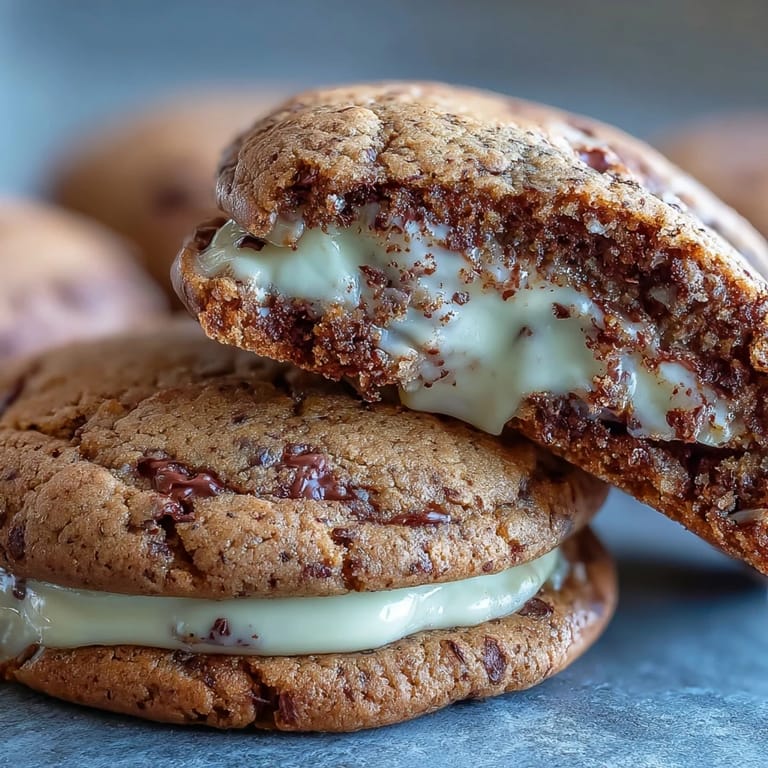
Save There's something almost meditative about these cookies, honestly. The hojicha scent that fills your kitchen while they bake is so calming and unusual that it somehow shifts the whole mood of an afternoon.
Storage and Keeping
These cookies are actually forgiving about storage because the moisture in the dough keeps them from drying out too quickly. I've found that an airtight container at room temperature keeps them genuinely good for 4 days, and I've accidentally left them out even longer without major regret, though day one and two are definitely when they shine.
Flavor Adventures and Twists
Once you've made these once, you'll probably start thinking about variations because that's how these things go. The base is flexible enough to handle some experimentation while still tasting like itself, which is the mark of a good cookie recipe.
What Makes These Different
Most hojicha recipes lean into bitterness or try too hard to prove how fancy they are, but these cookies let the roasted tea just quietly exist alongside the white chocolate instead of fighting for attention. The simplicity of the approach is actually what makes them memorable—it's not about looking impressive, it's about tasting genuinely good and a little bit unexpected.
- The combination of hojicha and white chocolate is less common than you'd think, which is probably why people always ask for the recipe.
- If you want more hojicha flavor, sprinkle a tiny pinch of the powder on top of each cookie before baking for a hint of visual interest and an extra layer of taste.
- Swapping in dark or milk chocolate chips completely changes the personality of the cookie, so experiment if you're feeling adventurous.
 Save
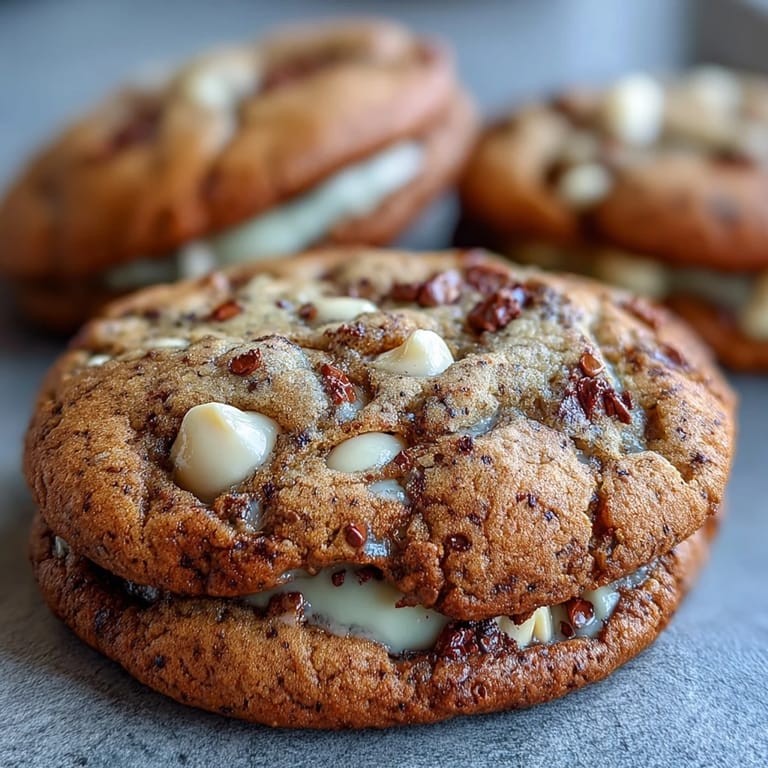
Save These cookies have a way of making people slow down and actually taste what they're eating, which feels like a small gift in a world that moves too fast. Once you've got the technique down, you'll find yourself making them whenever you want to feel calm or impress someone quietly.
Kitchen Guide
- → What does hojicha taste like in cookies?
Hojicha brings earthy, nutty, and slightly roasted notes that complement the sweetness of white chocolate. The flavor is milder than matcha, creating a subtle aromatic backdrop rather than overpowering the treat.
- → Can I use matcha powder instead of hojicha?
Yes, though matcha has a more grassy and bitter profile. You might need to slightly increase the sugar to balance the stronger flavor. The baking time remains the same.
- → Why are my cookies flat?
Flat cookies often result from overly soft butter or warm dough. Chill the dough for 15-20 minutes before scooping if your kitchen is warm. Also ensure your baking soda is fresh for proper lift.
- → How should I store these cookies?
Store in an airtight container at room temperature for up to 4 days. The hojicha flavor actually develops and intensifies slightly after the first day. For longer storage, freeze individually wrapped cookies for up to 3 months.
- → Can I make the dough ahead of time?
Absolutely. Scoop the dough onto a baking sheet and freeze until solid, then transfer to a freezer bag. Bake from frozen, adding 1-2 extra minutes. Alternatively, refrigerate the raw dough for up to 48 hours before baking.
- → What type of white chocolate works best?
High-quality white chocolate with real cocoa butter provides the best flavor and melting properties. Avoid white chips made with vegetable oil, as they don't melt as smoothly and can affect the texture.